1 hr
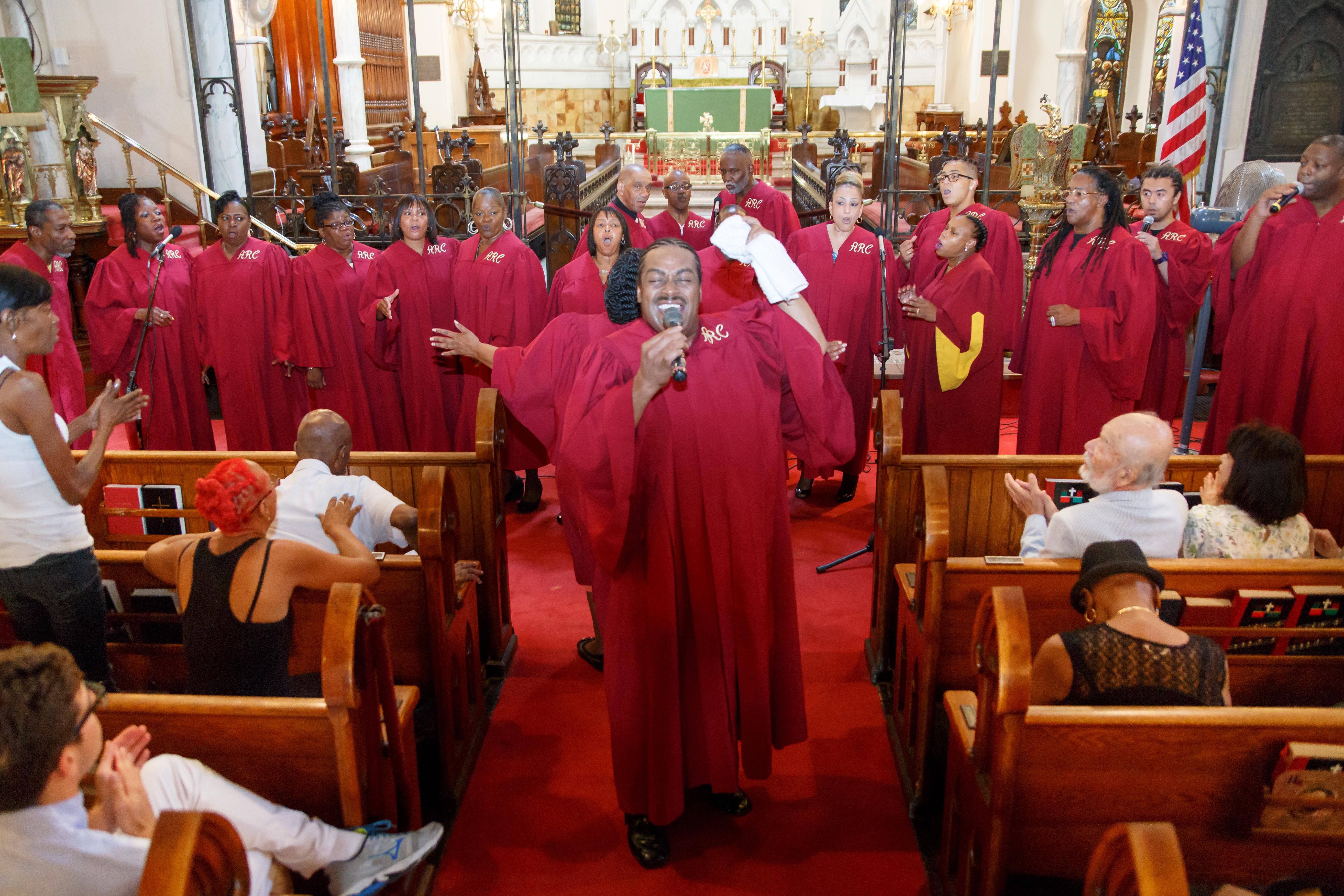
Harlem Wednesday Gospel Concert
- Entry ticket
- Mobile voucher
- Valid same day
- Free cancellation
Harlem Jazz Concerts — Evening Shows & Reserved Seating
Bebop, swing, and soul in the birthplace of modern jazz, Thursday and Friday nights only
Compare fares, pick the fit — all bookings are mobile-voucher and eligible for free cancellation where shown.
1 hr
1 hr
4 hr
Selecting the right harlem jazz concerts tickets allows you to immerse yourself in the authentic sounds of legendary musicians at a historic New York venue. Whether you prefer a standard entry or inclusive city sightseeing options, these performances offer a cultural journey through the heart of the neighborhood.
|
Top pick General Admission Individual Entry |
City Pass Access Bundle with Sightseeing | |
|---|---|---|
| Price | 30 USD | Included in pass |
| Performance Duration | 75 minutes | 75 minutes |
| Access Method | Direct booking | Scan via app |
| Available Days | Thursday and Friday | Thursday and Friday |
| Best for | First-timers seeking jazz | Visitors using tourist passes |
| See tickets & prices |
Verdict: For the most direct experience, visitors should choose the general admission harlem jazz concerts tour option, while those exploring multiple city landmarks may prefer using a multi-attraction pass.
Worth it for authentic jazz enthusiasts
The Harlem Jazz Series Evening Concert delivers what larger commercial venues often miss: an intimate, 75-minute performance in the cultural heartland of American jazz. At $30 for general admission, you're paying significantly less than midtown clubs while experiencing music in a neighborhood that shaped the genre itself. The venue holds a small audience, creating proximity to musicians that transforms passive listening into genuine connection. Unlike jazz tours that mix history with brief musical interludes, these Thursday and Friday concerts prioritize the performance itself—you're attending a show, not a packaged experience. The value equation works best for listeners who appreciate live improvisation and want to support community-based venues rather than corporate entertainment districts. Harlem jazz concerts tickets grant access to musicians who often perform in the neighborhood's storied tradition, though the limited weekly schedule means advance planning is essential.
Bottom line: If you prioritize hearing live jazz over packaged sightseeing, the concert offers exceptional value in its historic context.
They complement each other; most visitors who do both call Bill's Place the more immersive speakeasy experience, while harlem jazz concerts offer a more formal, consistent performance schedule.
|
Top pick Harlem Jazz Concerts |
Bill's Place | |
|---|---|---|
| Venue Type | Historic Church Parlor | |
| Vibe | Structured concert hall | |
| Musical Focus | Jazz history tributes | |
| Seating | Auditorium style seating | |
| Alcohol Policy | None allowed | |
| Price | 30 USD (general admission) | |
| Accessibility | Public concert hall | |
| Best for | Educational jazz appreciation | |
| See tickets & prices |
Verdict: Choose harlem jazz concerts tours for a reliable, tribute-focused performance, or select Bill's Place if you prefer a legendary, BYOB speakeasy setting to enjoy your harlem jazz concerts tickets.
Hand-picked experiences loved by thousands of travelers
1 hour
Free Cancellation
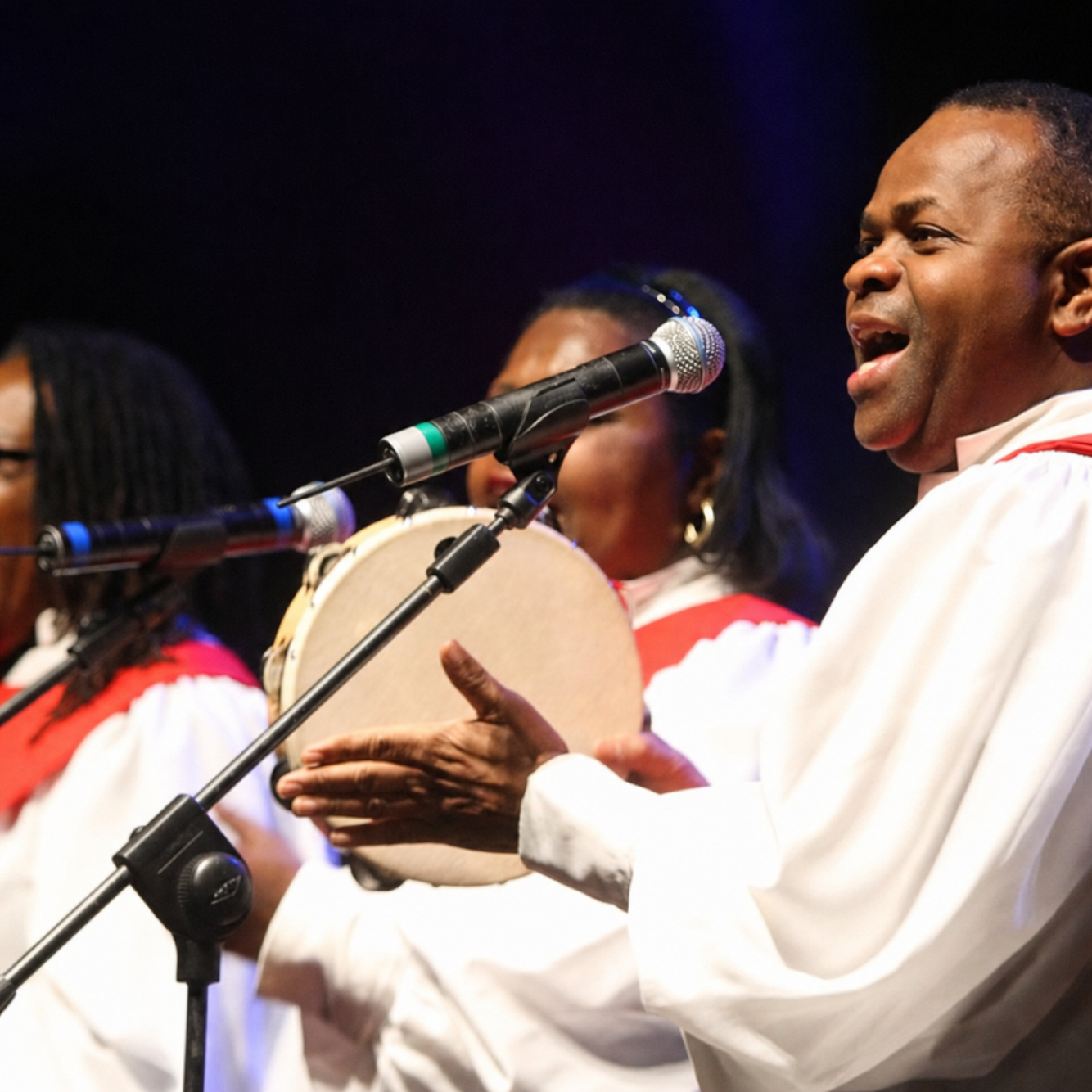
Live jazz performances celebrating Harlem's musical heritage with talented artists in an intimate setting
2 hours
Free Cancellation
Journey through Harlem's legendary streets with a local guide—choose history tours or Sunday gospel services
4 hours
Free Cancellation
Experience authentic live jazz at two historic Harlem clubs with an insider guide on this 4-hour evening adventure.
2 hours
Free Cancellation
Join a welcoming church community for authentic gospel worship and explore historic Harlem Renaissance landmarks
4 hours
Free Cancellation
Explore Harlem's vibrant heritage, iconic landmarks, and soul-stirring gospel music on this half-day journey
3 hours 15 minutes
Free Cancellation
Join a Sunday morning journey through Harlem's spiritual heritage with live gospel music and historic storytelling
5 hours
Free Cancellation
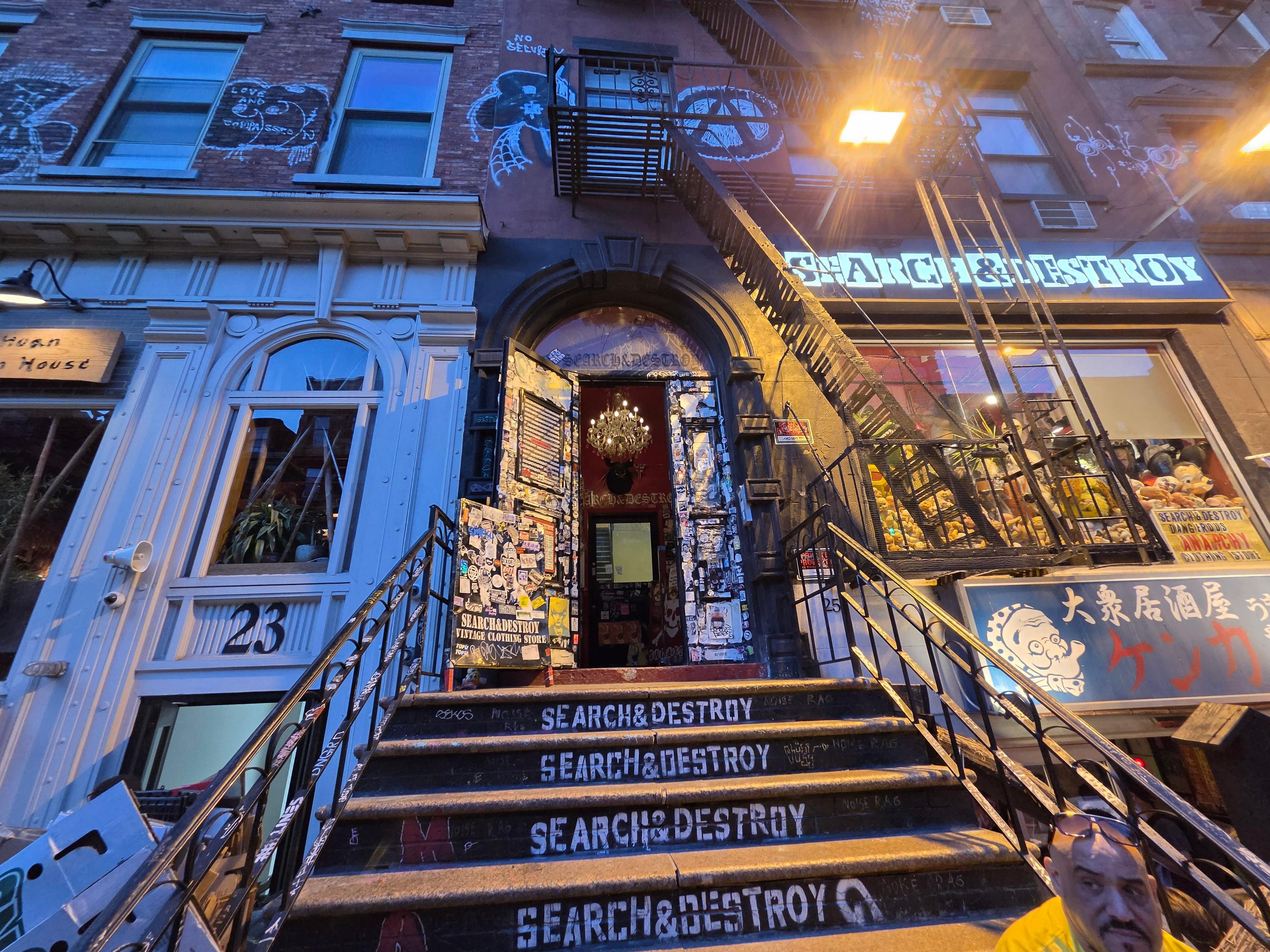
Journey through five decades of iconic New York sounds, from classical to punk, ending with live music in Harlem.
5 hours
Free Cancellation
Explore legendary jazz venues and hidden speakeasies with a personalized evening of live music in NYC
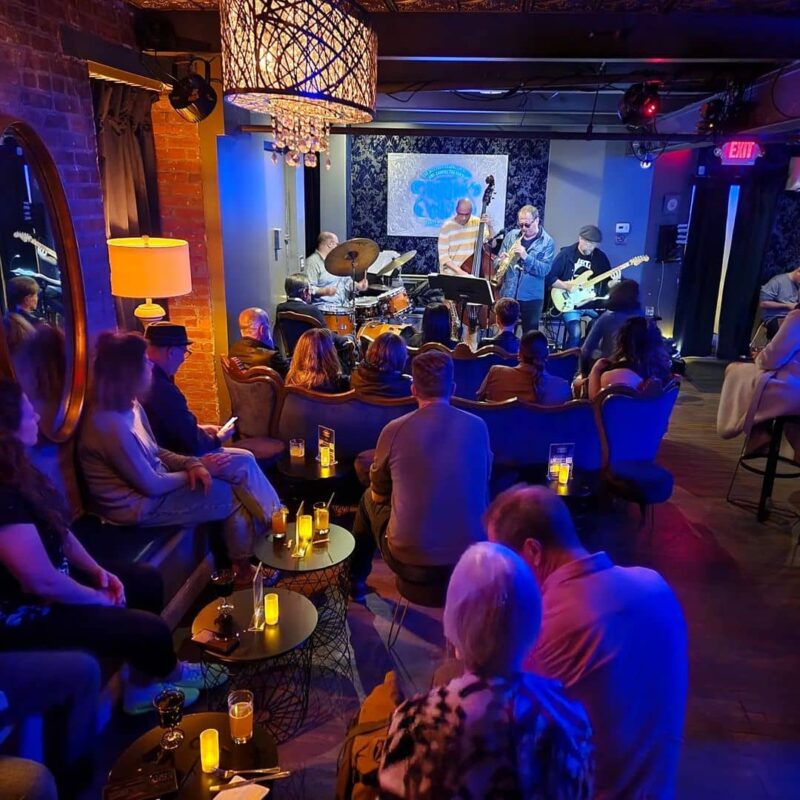
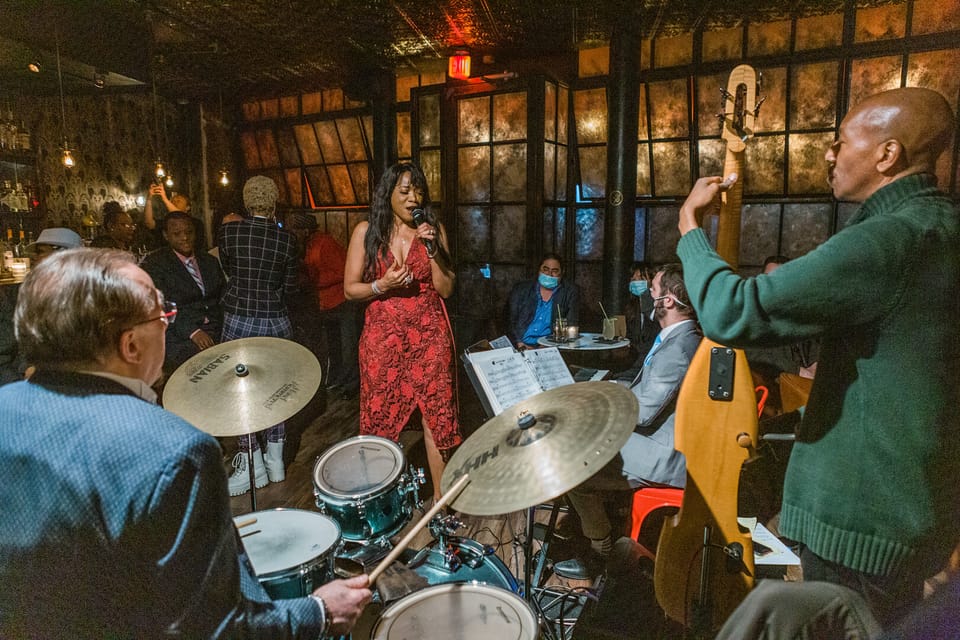
You arrive 30 minutes before the 7:00 PM downbeat, claiming a table near the stage in the brownstone's ground-floor performance room. Exposed brick and dim Edison bulbs frame the upright bass and drum kit already positioned under stage lights.
A chalkboard behind the bar lists tonight's quartet — names you recognize from Blue Note reissues and contemporary recordings featured on jazz radio. The room fills with conversation as neighbors and visitors settle into café chairs arranged in semicircular rows.
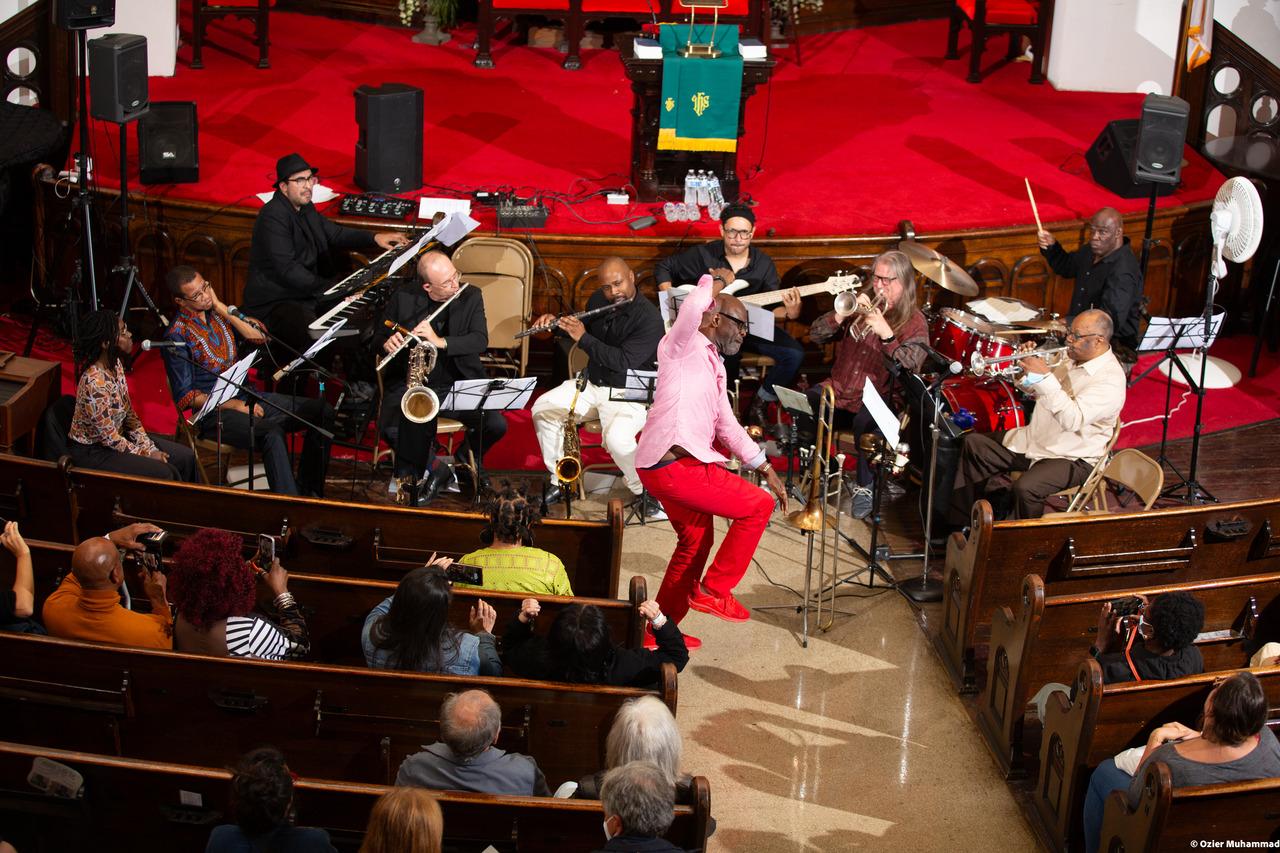
The house lights drop at seven sharp. The bassist counts off a mid-tempo swing tune, and the saxophonist's opening phrase cuts through the room with conversational clarity. You're close enough to watch the drummer's brush technique and the pianist's left-hand voicings. Between songs, the bandleader offers brief commentary on composers — Horace Silver, Wayne Shorter, a new piece inspired by Harlem's brownstone rooflines. The 75-minute set moves through bebop standards, a ballad that slows the room's pulse, and an up-tempo closer that draws applause mid-solo. By 8:15, you step back onto Mount Morris Park West, the set's final chord still resonating.
All the details about your upcoming adventure in one place
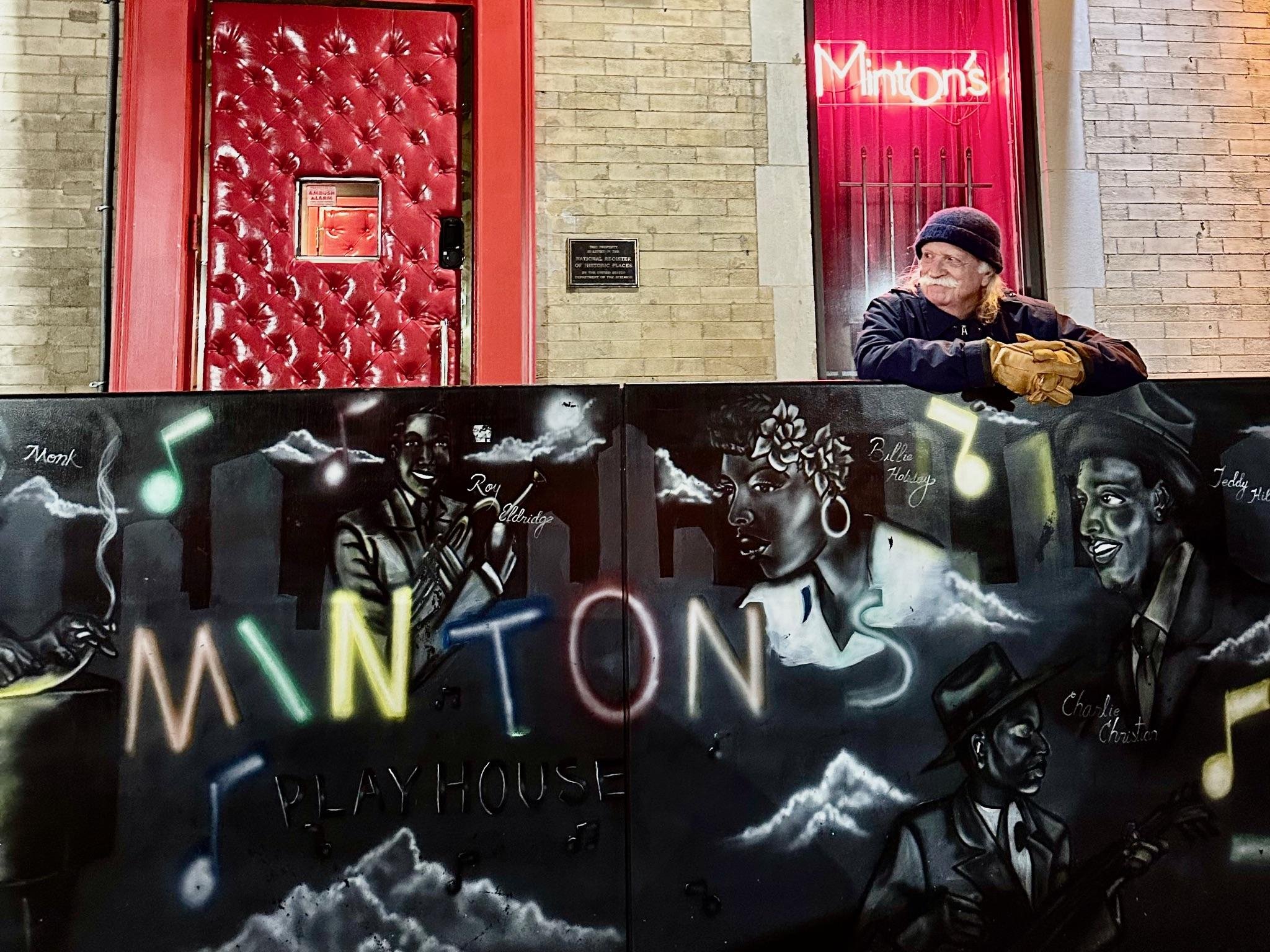
Harlem's jazz lineage runs through the Apollo Theater's Amateur Night discovery of Ella Fitzgerald in 1934, the Savoy Ballroom's integrated dance floor where swing reached its apex, and the backroom sessions at Minton's Playhouse where Dizzy Gillespie and Thelonious Monk invented bebop between 1940 and 1943.
The neighborhood's musical DNA was forged during the Great Migration, when Black musicians fleeing Southern segregation brought Delta blues, New Orleans brass, and gospel harmonies north to Manhattan's upper reaches. By 1926, more than 125 entertainment venues operated between 110th and 145th Streets, turning Lenox and Seventh Avenues into what Langston Hughes called "the cultural capital of Black America."
Today's Harlem jazz concerts honor that legacy without freezing it in amber. The Thursday and Friday evening series at venues like Jazz Boxx showcases working musicians who studied under masters trained by the architects of the form — a living pedagogical chain stretching back to Count Basie's rhythm section and Duke Ellington's orchestra at the Cotton Club. Performers toggle between pre-war standards, hard bop from the Blue Note era, and contemporary compositions that treat jazz as a present-tense language rather than a museum artifact. Audiences gather in intimate brownstone spaces and historic concert halls where acoustic clarity matters more than amplified spectacle.
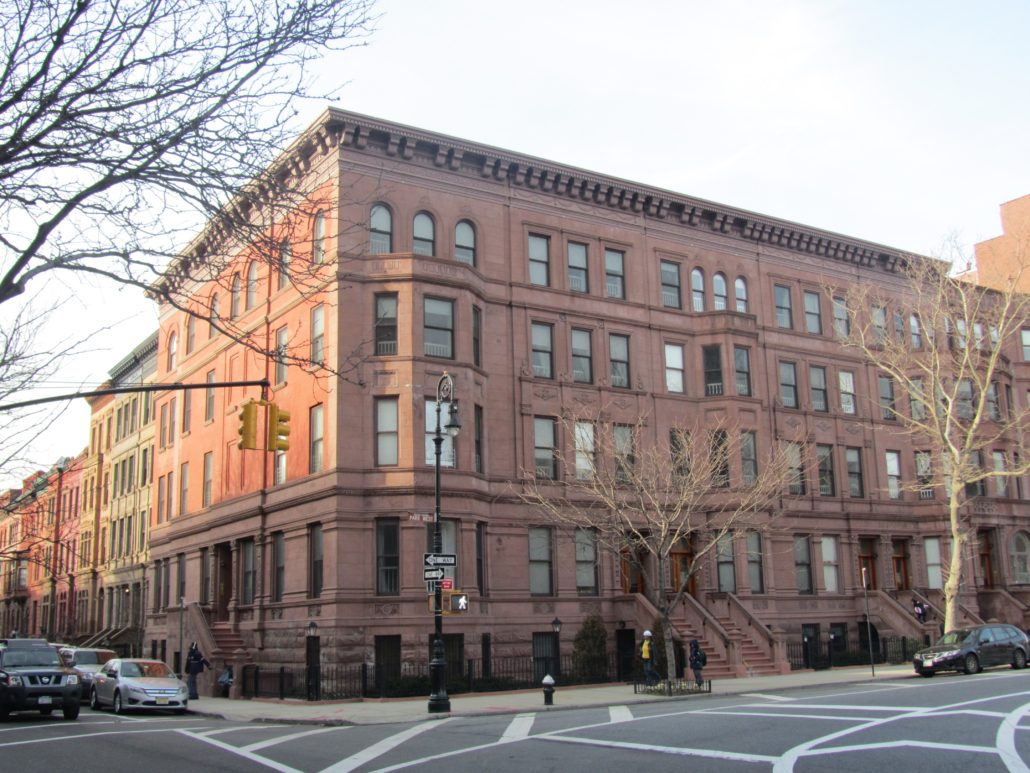
The architecture of Harlem's jazz venues reflects the neighborhood's residential scale. Most performance spaces occupy renovated townhouses or ground-floor storefronts along Mount Morris Park West and Strivers' Row, preserving the parlor-room intimacy that defined rent parties and speakeasy sessions during Prohibition. Exposed brick, pressed-tin ceilings, and upright pianos anchor interiors designed for 50 to 100 guests — dimensions that force eye contact between performer and audience. This proximity to the bandstand clarifies the conversational structure of jazz improvisation, where a saxophonist's solo answers the bassist's walking line and the drummer's ride cymbal punctuates the pianist's comping chords. The small-room format also sustains Harlem's tradition of after-hours discovery, where headliners arrive unannounced to sit in during sets.
More than 125 entertainment venues operated between 110th and 145th Streets by 1926, turning Lenox Avenue into the cultural capital of Black America.
Casual attire is appropriate for these harlem jazz concerts. Smart casual wear is often favored by regular attendees.
Small personal bags are permitted inside the venue. Large luggage items are not allowed at these harlem jazz concerts.
Non-flash photography is permitted during the performance. Please refrain from recording long video segments of the harlem jazz concerts.
These performances are suitable for families with older children who appreciate acoustic musical styles. Each person requires a ticket for the harlem jazz concerts.
The venue at 15 Mount Morris Park West provides ground-level access. Contact the operator if you require specific assistance for harlem jazz concerts.
Outside food and beverages are not permitted inside the performance space. There are many local dining options nearby following the harlem jazz concerts.
Opening Hours
19:00–20:15
Address
15 Mount Morris Park West, New York, NY 10027, USA
Entry
General admission at 30 USD
Arrival Window
Doors open at 19:00
Venue
Harlem Jazz Boxx
Harlem Jazz Boxx tickets are non-refundable. Please confirm your schedule before booking your harlem jazz concerts.
Recommended time
1 hour 15 minutes
Visitors attending harlem jazz concerts at 15 Mount Morris Park West should plan for a focused evening performance. Because doors open 30 minutes before the 7:00 PM concert for seating, securing harlem jazz concerts tickets in advance allows for a smooth transition into the venue. This Harlem live music experience typically concludes by 8:15 PM, making it an efficient choice for those seeking improvised melodies and saxophone solos without an extended time commitment. Whether you are browsing harlem jazz concerts tours or simply seeking an evening of soulful rhythm, arriving promptly ensures you settle in comfortably before the musicians begin.
Crowd levels through the day
Harlem's jazz tradition was forged in the 1920s, when the neighborhood became the epicenter of African American cultural expression during the Harlem Renaissance. The Cotton Club opened in 1923 on 142nd Street, showcasing Duke Ellington's orchestra to predominantly white audiences while Black musicians created the soundtrack of a generation. The Savoy Ballroom, which opened in 1926, operated under a different model—integrated audiences danced to the swing orchestras of Chick Webb and Count Basie, establishing Harlem as the proving ground for jazz innovation. By the 1930s, 52nd Street in Midtown had siphoned off some of the commercial energy, but Harlem's clubs—Minton's Playhouse, Small's Paradise—remained laboratories where bebop pioneers like Charlie Parker and Dizzy Gillespie rewrote the rules of improvisation after hours. The postwar decades brought urban renewal projects that demolished many historic venues, and by the 1970s the neighborhood's jazz infrastructure had collapsed. The Apollo Theater survived as a soul and R&B venue, but the intimate club culture that had sustained nightly performances largely disappeared. A revival began in the 1990s when preservationists and musicians worked to restore Harlem's cultural institutions, recognizing that live performance remained essential to the neighborhood's identity. Today's harlem jazz concerts continue this lineage in settings like historic brownstones and community spaces, where small ensembles perform for audiences seeking an authentic connection to the music's roots. These performances emphasize acoustic instruments, traditional repertoire, and the conversational intimacy between musicians and listeners that defined the original Harlem jazz sessions. The current concert series at 15 Mount Morris Park West operates Thursday and Friday evenings, maintaining the neighborhood's role as a venue where jazz remains a living art form rather than a museum exhibit.
The Harlem Renaissance transforms the neighborhood into the national center of jazz performance and African American cultural innovation.
The Cotton Club opens, featuring Duke Ellington's orchestra and establishing Harlem's reputation for sophisticated jazz entertainment.
The Savoy Ballroom begins operation with integrated audiences, hosting swing orchestras and becoming the birthplace of the Lindy Hop.
Minton's Playhouse becomes the laboratory for bebop, where Charlie Parker and Dizzy Gillespie develop revolutionary improvisational techniques.
Urban renewal and economic decline close most historic jazz venues, ending the era of nightly club performances in Harlem.
Cultural preservationists and musicians revive Harlem jazz concerts in community spaces, emphasizing acoustic performance and historical repertoire.
Capture the historic brownstone architecture and ornate entryway of the venue before heading inside for harlem jazz concerts.
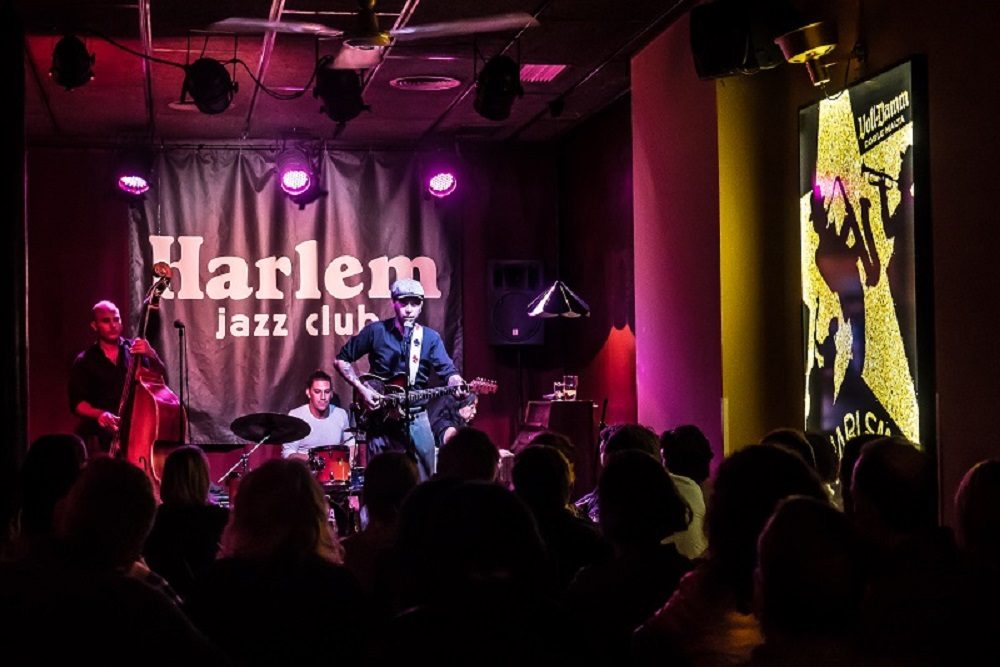
Shoot from the rear of the room to frame the musicians against the intimate stage backdrop during the live set.
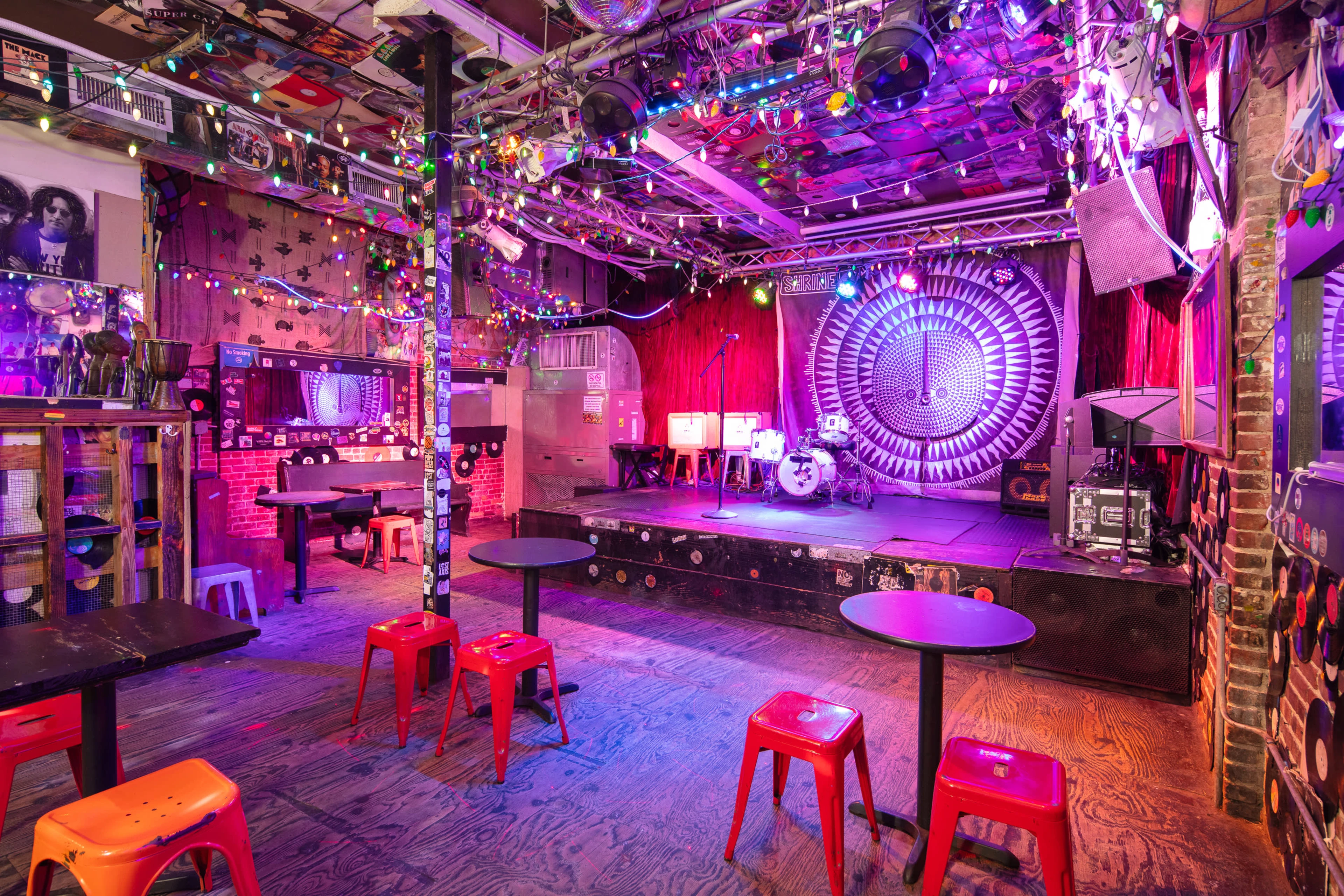
Photograph the authentic interior details as guests gather, providing a classic glimpse into the atmosphere of these harlem jazz concerts tours.
Experiencing harlem jazz concerts with your family offers an authentic way to enjoy live music in a historic setting. These performances provide an accessible introduction to the genre for younger listeners interested in New York landmarks.
The venue is located at 15 Mount Morris Park West, New York, NY 10027, USA, which features limited space, so compact strollers are recommended for easier navigation. Please be prepared to fold and store your stroller near the entrance to keep aisles clear for performers and audience members
These musical performances are best suited for school-aged children and teenagers who can appreciate an hour of live acoustic instrumentation. You will need to purchase harlem jazz concerts tickets at 30 USD per person for every attendee regardless of age
The venue is a historic space, and while it provides an intimate atmosphere for harlem jazz concerts tours, it does not feature dedicated baby-changing stations. We suggest ensuring your family is prepared for a standard concert environment without specialized toddler amenities
The shows are brief, running from 19:00–20:15, which helps maintain the attention of younger audience members. For the best experience, arrive during the 19:00–19:00 window, as doors open 30 minutes before the 7:00 PM concert for seating
This indoor performance is an ideal way to enjoy local culture during inclement weather. As you secure your harlem jazz concerts tour, remember that the venue is closed Monday through Wednesday and Saturday.
Visitors planning to attend harlem jazz concerts near Mount Morris Park West will find several dining options within walking distance to enjoy before the performance. This neighborhood offers a variety of eateries perfect for those seeking local Harlem landmarks after picking up their harlem jazz concerts tickets.
A celebrated spot serving comfort food with a Southern influence. It is often busy, so consider booking ahead if you are attending one of the harlem jazz concerts tours in the evening.;Sylvia's
Everything you need to know for your journey
The venue is open Thursday and Friday from 19:00–20:15. It remains closed on all other days of the week.
General admission is 30 USD per person. All attendees must have a valid ticket for the performance.
It is recommended to purchase your harlem jazz concerts tickets online in advance to ensure availability.
Yes, families are welcome, though children must have their own tickets. The music is generally accessible for all ages.
The venue is located at 15 Mount Morris Park West and is accessible via subway lines serving Upper Manhattan.
Non-flash photography is permitted during the performance. Avoid using professional recording gear during the show.
Doors open at 19:00, which is 30 minutes before the concert begins. Arriving during this window ensures smooth seating.
No, outside food and drink are not allowed inside the performance area. Please eat before or after the event.
Yes, the nearby Marcus Garvey Park is within walking distance and ideal for a pre-concert stroll.
Join thousands of happy travelers who have discovered this incredible experience
Book Your Experience Now